Natural fibers have been around for centuries, offering a sustainable alternative to synthetic materials. While synthetics like polyester and nylon dominate the textile industry due to their durability and low cost, there’s a growing awareness about the environmental impact of these materials. They are derived from petrochemicals and take hundreds of years to decompose, contributing significantly to pollution and waste in landfills.
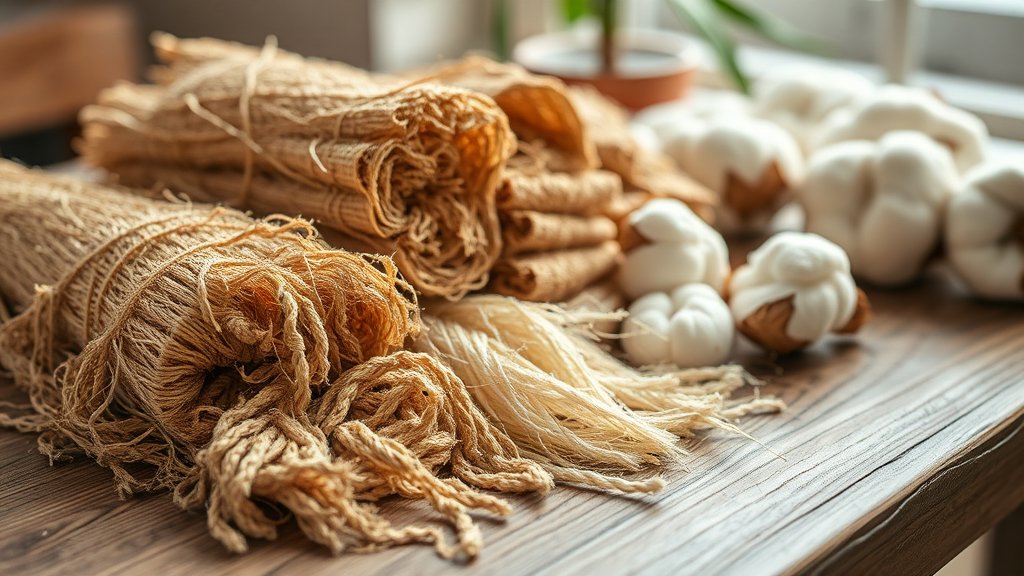
On the other hand, natural fibers such as cotton, hemp, linen, wool, and silk break down much more quickly and are often biodegradable. They come from renewable resources and generally have a lower environmental footprint in terms of production and disposal. Choosing natural fibers over synthetics is not just about being trendy; it’s about making a conscious decision to support sustainability.
But let’s be real, there are pros and cons to everything. Natural fibers can be more expensive and sometimes require more care (hello, ironing linen), but the benefits often outweigh these drawbacks. They offer breathability, comfort, and a touch of nature that synthetic fibers simply can’t match. So, why not make a switch and feel good about what you’re wearing?
The eco-friendly benefits of cotton, hemp, and linen
Cotton is one of the most popular natural fibers globally. It’s soft, breathable, and versatile. However, conventional cotton fabric farming is notorious for its high water usage and pesticide application. This is where organic cotton steps in as a game-changer. Organic cotton is grown without harmful chemicals and uses water more efficiently. It’s better for the environment and safer for farmers who don’t have to handle toxic substances.
Hemp, often overshadowed by its more famous cousin cannabis, is another fantastic natural fiber. It grows quickly with minimal water and no need for pesticides. Hemp plants even improve soil health by replenishing nutrients. This makes hemp an incredibly sustainable option. Plus, it’s super strong and durable—perfect for those rugged jeans or that eco-friendly tote bag.
Linen is made from the flax plant and has been used for thousands of years. It’s incredibly durable and gets softer with each wash. Linen’s production process is relatively eco-friendly because it requires fewer pesticides and less water compared to linen. However, let’s not gloss over the fact that linen wrinkles easily—some might see this as a charming characteristic, while others find it a hassle.
Why organic cotton matters
Organic cotton matters because it addresses some of the critical issues associated with conventional cotton farming. By eliminating the use of synthetic pesticides and fertilizers, organic cotton farming protects ecosystems and reduces water pollution. Additionally, it promotes healthier soil through crop rotation and other sustainable farming practices.
This approach doesn’t just benefit the environment; it also improves the livelihoods of farmers by creating safer working conditions. Organic cotton can be more expensive due to its labor-intensive farming methods, but the benefits far outweigh the costs when considering long-term environmental sustainability.
Bamboo: a game-changer in textiles
Bamboo has recently gained popularity as a sustainable textile fiber. It’s one of the fastest-growing plants on earth, capable of growing up to 91 cm (35 inches) in a single day under optimal conditions. Bamboo requires little water and no pesticides to thrive, making it an environmentally friendly option.
The process of turning bamboo into fabric involves breaking down the plant into viscose using chemicals—a process that raises some environmental concerns. However, more sustainable methods are emerging that use mechanical processes similar to linen production.
Bamboo fabric is incredibly soft, often compared to silk or cashmere. It’s also highly breathable and moisture-wicking, making it ideal for activewear and underwear. The sustainability credentials of bamboo are promising, although it’s essential to look for certifications that ensure eco-friendly processing methods.
Wool and silk: the sustainable side of animal fibers
Wool is a natural fiber obtained from sheep. It’s renewable—sheep grow new fleece annually—and biodegradable. Wool is incredibly versatile: it’s warm in winter yet breathable enough for summer garments. It also has natural moisture-wicking properties and resists odors.
However, ethical considerations come into play with animal fibers. The treatment of sheep in wool production can vary widely, so it’s crucial to look for certifications like Responsible Wool Standard (RWS) that ensure animal welfare.
Silk is another luxurious natural fiber produced by silkworms. The traditional method involves boiling silkworm cocoons to extract the silk threads—a process that’s not exactly animal-friendly. Alternatives like Ahimsa silk or “peace silk” allow the moths to emerge naturally before harvesting the cocoons.
Supporting sustainable fashion through smart choices
Supporting sustainable fashion doesn’t mean you have to overhaul your entire wardrobe overnight. Instead, start small by making smart choices whenever possible. Look for garments made from natural fibers like organic cotton, hemp, linen, bamboo, wool, or silk.
Consider the lifecycle of your clothing—from production to disposal—and opt for items that will last longer and have a lower environmental impact. Even simple actions like washing clothes less frequently or choosing second-hand items can make a significant difference.
Ultimately, every choice counts when it comes to sustainability in fashion. By prioritizing natural fibers over synthetics and supporting ethical brands, we can collectively make a positive impact on our planet.